Lauren O'Connell
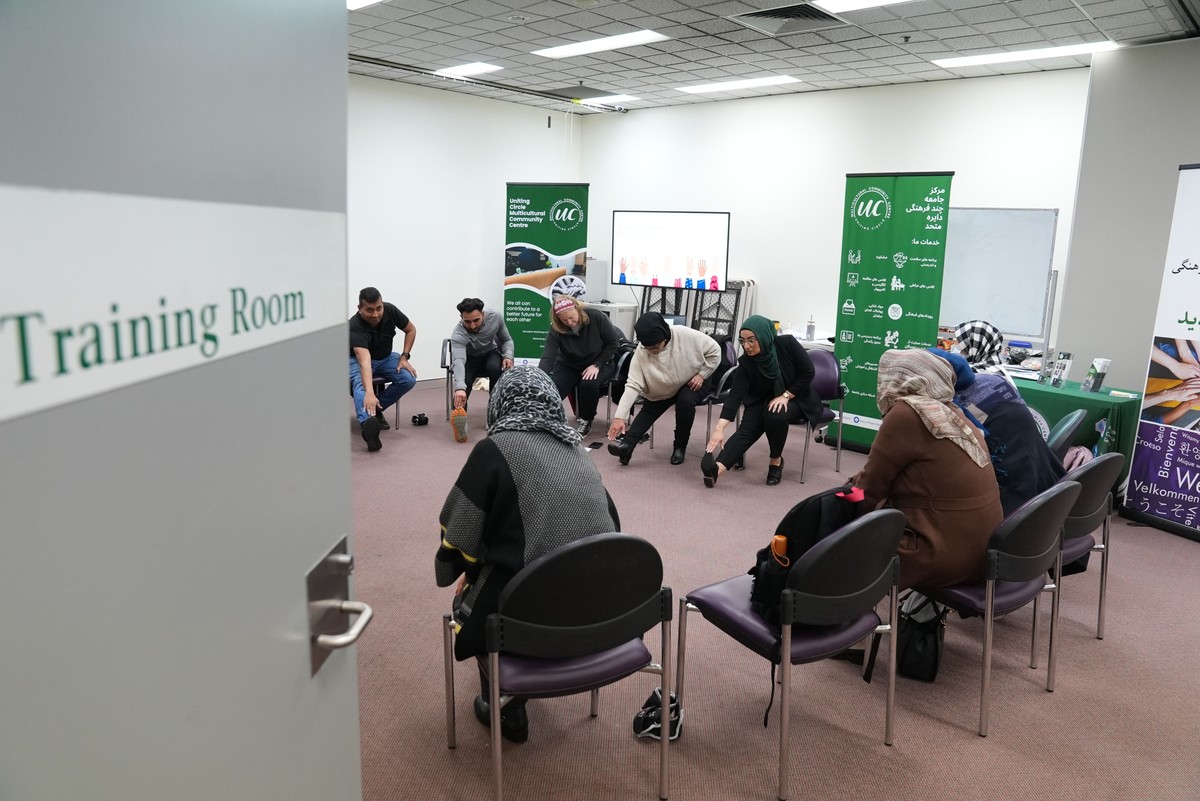
Nepean Blue Mountains Local Health District (NBMLHD) is home to a wonderfully diverse population, with over 49,000 residents speaking a language other than English. This rich tapestry of cultures brings unique needs, particularly for older community members who may face significant barriers to accessing health services and information. For many older people, like Shekiba, healthy aging is a daily practice. "Good health means every person should eat vegetables and fruits and do daily exercise," she says. Shekiba's dedication to physical activity is a lifelong practice that began in her home country of Afghanistan and has continued here in Australia. "I tell my children, ‘you should do exercise daily,’" she says, and she even plays soccer with her husband and kids on the weekends. For her, sharing healthy habits is a way of showing her love and care. "When you have my cooking, you get stronger because it's benefitting your health," she tells them. While Shekiba's commitment to health is a family affair, many new arrivals to Australia face significant barriers to accessing health services. Mujgan Tahery, the CEO and founder of Uniting Circle Multicultural Community Centre, understands this firsthand. "For many, the biggest barrier is language. Some don't want to go to health centres because they worry they're not going to understand them," she says. The NBMLHD Health Promotion Team and Multicultural Health have partnered with Uniting Circle to create a 12-week program specifically for the Afghan community. The program offers simple exercises and educational sessions on vital health topics like diabetes, oral health, and cancer screenings. Mujgan, also from Afghanistan, notes that many attendees, especially women, often prioritise their family's health over their own for so long that they don’t always appreciate the importance of self-care. The program aims to shift this perspective by showing them that their health is just as important as their husband's or children's. By bringing in qualified professionals and working with a familiar face like Mujgan, the program helps build trust and makes complex health information more accessible. “The sessions are eye-opening for many. They have learned that someone in Australia is diagnosed with diabetes every five minutes, they know what bowel cancer means and that you can get a free test kit, and we’ve booked everyone in who is able to get a hearing check,” she says. Beyond physical and mental health, social connectedness is crucial for a long and healthy life. Mujgan explains that the Uniting Circle program also helps participants get out of isolation by providing a safe space to share their stories and build a sense of community. “While we help them to understand about health and what health means for them, we are opening that networking group for them as well to be able to sit down and share their stories and get out of isolation,” she says. This sense of belonging is a key component of the program's success. Nasratullah, another participant, agrees that exercise and good food are essential, but he finds joy in coming together with others to be active. "All people are here together exercising, together talking," he says. By supporting organisations that offer culturally sensitive health education and encouraging our older loved ones to stay active and informed, we can help them remain the healthy hearts of our communities. As Nasratullah says, 'We are learning something!' and for this community, that shared learning is the key to a healthier, more connected future.